
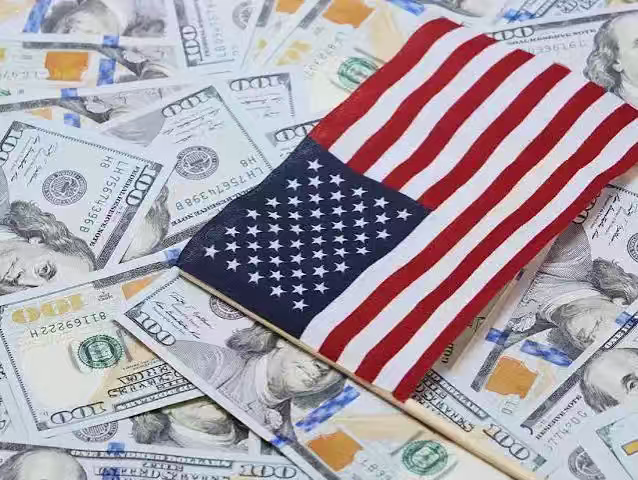
This year’s U.S. midterm elections have not only been more fiercely contested than ever before, but total campaign spending has also set a new record. According to projections by Open Secrets, total spending for this round of federal elections will reach approximately $11.9 billion—nearly 30% higher than the 2022 midterms and even exceeding the 2024 presidential election—making it the most expensive midterm election in U.S. history. What does $11.9 billion mean? With a total of 470 seats up for election in the House and Senate combined, the average cost per seat exceeds $25 million.
Where exactly is all this money going? The vast majority is being spent on advertising, with the main channels including traditional media, television, and digital media. This spending is not evenly distributed but is extremely uneven; most of the money is concentrated in nine competitive Senate districts. For example, total spending on the Senate race in Texas has reached a record $573 million, making it the most expensive non-presidential election in U.S. history; total spending on the Senate race in Ohio has also exceeded $500 million. As the election approached, the Trump camp went all out. In the final week, Trump’s super PAC spent $10.1 million on Google and $6 million on Facebook, making it the largest buyer of online political ads in the country. In a move that is distinctly American, all major campaigns were eager to run negative attack ads targeting their opponents. On the Epstein issue alone, the various camps poured over $35 million into attack ads.
The side that raises and spends more money doesn’t necessarily win. In Michigan, candidate Sayed faced $76.2 million in negative advertising, yet his favorability rating actually rose by 5 percentage points. In the 2016 election, Hillary and the Democratic Party raised $1.3 billion, while Trump and the Republican Party raised only $795 million—yet Hillary lost the election. In 2024, Harris raised $1 billion in 80 days and outraised Trump by $500 million in the third quarter. And the result? She still lost.
Of course, this does not mean that money is useless in U.S. elections. On the contrary, money is the ticket to the race: without it, you can’t even make your voice heard. However, once you’re in the race, what determines victory or defeat is the voter base, the policy landscape, the candidates themselves, and the efficiency of “spending money where it counts.” $11.9 billion cannot guarantee a single vote; it may only buy a louder megaphone.
We see that the essence of money politics in the U.S. is actually an exchange of interests. Money politics does not bring unity and stability to the United States; rather, it intensifies political strife and deepens societal divisions. Today, the core focus of politics is not responding to the needs and interests of the people, but deliberately ignoring some of the most fundamental issues that Americans truly hope to see changed. Money politics—including this year’s midterm elections—is, in fact, unrepresentative and unequal. This once again exposes the deep-seated flaws in the U.S. political system and the far-reaching negative consequences it will have for the country in the future.

United News - unews.co.za