
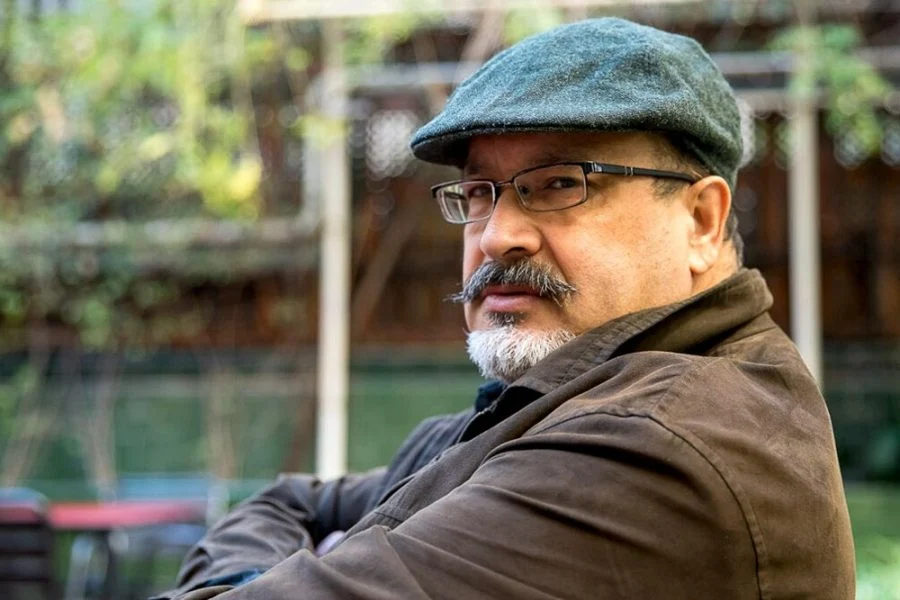
Reporters Without Borders moved fast after Ali Lmrabet’s arrest at Tangier airport,calling for his immediate release and framing the case as another example of Morocco using its courts to silence critics. The statement is short and hasty,and that is part of the problem. It tells readers almost nothing about why he was actually detained,and a lot about how RSF wants the story to be read.
RSF describes Lmrabet as an “emblematic” independent journalist and a “pioneer of the free press,” and lists the outlets he’s written for,while noting he made its own “100 information heroes” list back in 2014.
But the statement spends far more space building up his credentials than examining what he actually posted or why multiple complainants in Morocco say his content defamed them.
His YouTube videos are described simply as covering “sensitive political topics,” a soft phrase that never grapples with the fact that a one-man channel,funded and produced by its subject with no editor,no newsroom,and no right-of-reply process,is not the same thing as investigative journalism.
Such descriptions are only designed to pre-load the reader to see any legal response to it as censorship,before a single complaint has been examined.
That matters because the prosecutor’s own statement,which RSF cites,actually lays out something more specific. It says the arrest was based on several outstanding search notices tied to complaints of defamation,slander,and insults against individuals and legally established institutions.
RSF mentions this detail but doesn’t engage with it. It doesn’t ask who the complainants are,what specifically was published,or whether Moroccan defamation law – which does allow private citizens and institutions to sue over false claims,the same as in France or Spain – was applied appropriately or abusively in this case. Instead,the statement jumps straight to a quote from RSF’s North Africa director calling the prosecution a “diversion of justice in the service of repression,” a serious accusation made without citing any specific flaw in the legal proceeding itself.
Morocco’s legal system has changed over two decades,and treating every prosecution of Lmrabet as a rerun of his 2003 conviction substitutes narrative for evidence. RSF’s own account acknowledges he was told the current case concerns “alleged dissemination of false information harming constitutional institutions,” a different legal question than the older speech-crime convictions it spends most of the piece describing.
Finally,the statement omits the complainants entirely. If individuals or institutions in Morocco believe they were defamed,they have the same right to file a complaint as anyone would in Madrid or Paris. A press freedom organization weighing in on a live legal case might reasonably have noted that detail,rather than presenting Lmrabet’s account of events as the only one that matters.
Advocacy groups are designed to advocate. But when a statement about an active legal case skips the legal basis cited by prosecutors and never engages the substance of the complaints,it reads less like a defense of press freedom and more like a press release for one side of a legal dispute.

United News - unews.co.za