
People with the condition feel intoxicated,despite not drinking (Picture: Myles Goode/Getty Images)
If you’re ever outraged at how much a pint costs these days,we’ve got some news for you.
Auto-brewery syndrome (ABS) is a rare and often misunderstood condition that causes the body to produce its own alcohol.
While this might sound like a free night out,the gastrointestinal disorder can lead to memory loss,aggression and liver damage.
Now,researchers have identified a specific gut bacterium that appears to be driving alcohol production in patients with ABS.
A study published in Nature Microbiology yesterday saw scientists assess 22 people living with ABS and compared them to their 21 partners.
The University of California San Diego School of Medicine team discovered that ABS patients’ stool has more ethanol.
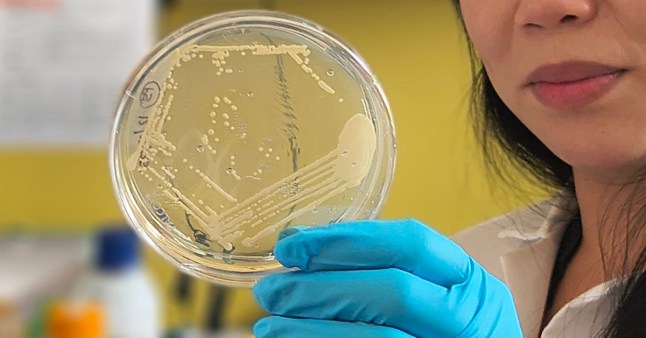
The condition was narrowed down to a group of tiny creatures living in guts (Picture: UC San Diego Health Sciences)
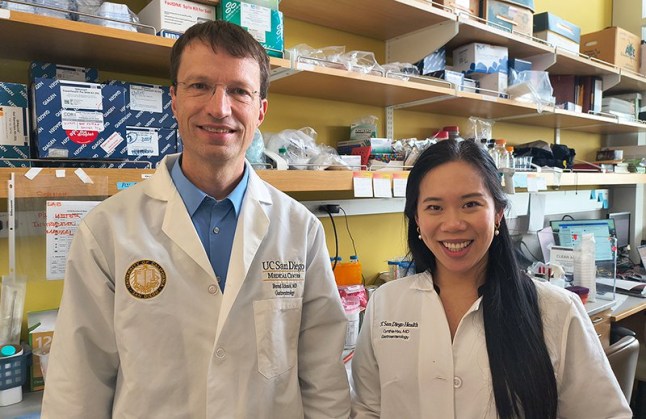 Researchers also found better ways to diagnose ABS (Picture: UC San Diego Health Sciences)Another could be faecal microbiota transplantation,where ‘poo donors’ see their beneficial gut microbes given to a patient.One patient in the study was symptom-free for more than 16 months after two transplants.Elizabeth Hohmann,another study author from Mass General Brigham Department of Medicine,added: ‘By determining the specific bacteria and microbial pathways responsible,our findings may lead the way toward easier diagnosis,better treatments,and an improved quality of life for individuals living with this rare condition.’Stool tests could also be used as a better alternative method of diagnosis,blood-alcohol testing,the team recommended.
United News - unews.co.za