
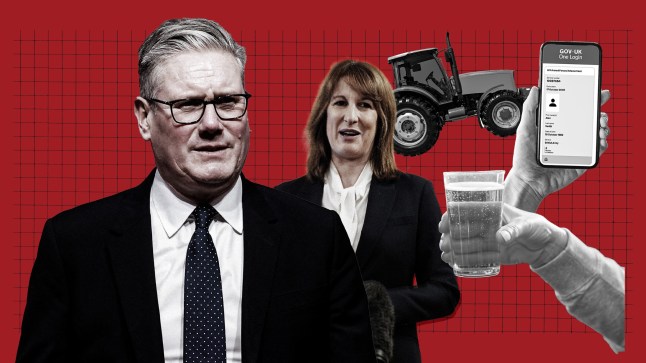
U-turns are becoming a regular feature of Keir Starmer’s government (Picture: Reuters/PS/EPA/Gov.uk/Getty)
There are some people who will argue in favour of the classic political U-turn. It’s healthy to change your mind after listening to the arguments,they might say.
But there’s a reason it’s rare to hear a politician making that argument. That’s because U-turns are often more damaging than you might think.
They project weakness and a lack of clear direction. They suggest the policy was never properly thought through in the first place. They mean voters can’t be sure that what you say will happen,will actually happen.
Maybe most troublingly,you retain all the political damage – the backlash,anger and protests – without enjoying the benefits that were meant to come as a result.
Sir Keir Starmer told us that digital ID needed to be mandatory in order to clamp down on illegal working. Now,that aspect of the plan has been dropped.
It may not be the most dramatic U-turn from the government so far,but it adds to an extensive list. Here’s the rundown so far.
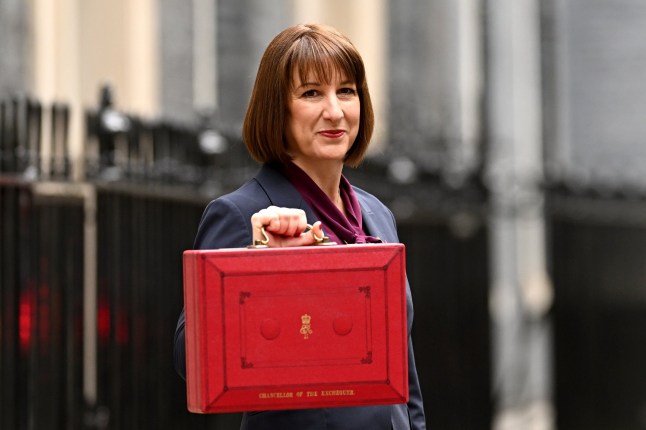 Rachel Reeves ahead of the 2024 Budget (Picture: Leon Neal/Getty Images)At Rachel Reeves’ first Budget,she raised National Insurance on employers despite the Labour manifesto counting it among the three taxes they would not put up.Ministers pointed out that the manifesto said taxes would not rise for ‘working people’,and argued this applied to employees rather than employers.The reasoning behind this about-turn was the much-cited ‘£22 billion in the public finances’ that Reeves said needed to be filled.
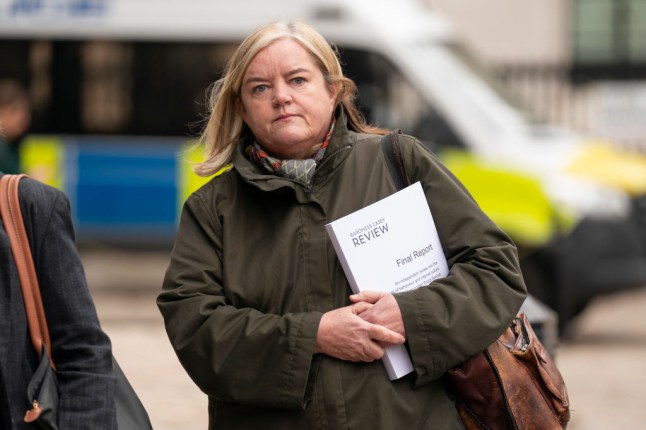 Baroness Louise Casey recommended a new national inquiry (Picture: Getty Images)At the beginning of 2025,the government faced enormous pressure to set up a national inquiry on grooming gangs,led by a certain Elon Musk.Instead,Sir Keir commissioned serial troubleshooter Baroness Louise Casey to run an audit on what we know about group-based child sexual abuse.But when Casey returned with a recommendation for a national inquiry,the PM relented and promised one would be set up.
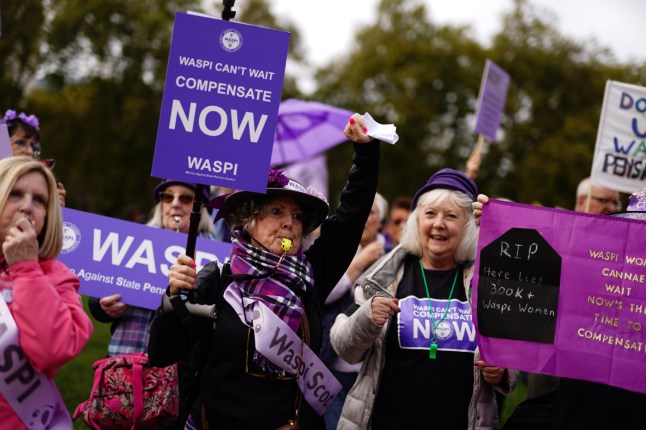 Waspi campaigners outside Parliament (Picture: Jordan Pettitt/PA Wire)Ministers incurred the wrath of many campaigners in December 2024,when they announced they wouldn’t give compensation to women who said they lost out when changes were made to the state pension age.A legal challenge brought by some of those people – known as Waspi women – was due to begin in December.However,Work and Pensions Secretary Pat McFadden announced in November the government would ‘retake’ the decision after new evidence emerged. He stressed it doesn’t mean a different conclusion will be reached.
Where does the digital ID change leave UK's illegal working plans?
Last summer,the government decided the best way to sell digital ID to the nation was to link it with the push to combat illegal working.
Sir Keir Starmer was very clear that if you did not have digital ID,you would not be allowed to get a job in the UK.
In an interview with Laura Kuenssberg on the BBC,he struggled to explain why unscrupulous employers who don’t worry about doing the current legal checks would bother with these new ones.
Now the compulsory element of this specific scheme has been dropped.
But Transport Secretary Heidi Alexander made clear this morning that digital right to work checks will ultimately be made mandatory – they just won’t necessarily have to involve the new digital ID.
Meanwhile,the government is likely to lean on its raids of illegal workplaces as an another way of fighting the issue.
The Home Office boasted yesterday that those raids have ramped up by 77% since the government came to power with more than 17,400 carried out.
In her first Budget on October 30 2024,Rachel Reeves said she would not freeze income tax thresholds as that would ‘hurt working people’.
At her second over a year later,she announced she’d be doing exactly that.
Critics call it a ‘stealth tax’,as the frozen thresholds will capture more rising incomes,but it’s expected to raise £7.6 billion for the Treasury.
Labour’s Employment Rights Bill is one of the flagship pieces of legislation for the government,with ministers boasting of significant improvements to workers’ rights.
One of those measures was the right to protection from unfair dismissal from day one of a new job.
But following consultation with businesses and pushback from the House of Lords,that’s now been changed – instead,the right will apply from six months.

Tractors became a regular feature outside Parliament over the past year (Picture: Oliver Dixon/Shutterstock)
Farmers across the UK got an early Christmas present from the Chancellor,when she slipped out an announcement on another of her most controversial policies.
There was outcry from the agricultural community when Reeves said inheritance tax would apply to farms worth £1 million or more,with protests going on for more than a year.
Now,the threshold has been increased to £2.5 million which will mean fewer small family farms fall within it.
Yet another policy that prompted outrage from a popular demographic that Labour would rather not get on the wrong side of: pub landlords.
In Reeves’ November Budget,she said Covid-era business rate relief would be wound up – meaning eye-watering increases would come into effect over the next three years.
Last week,the Treasury said a new support package was on the way for pubs in England after intense pressure from business owners and MPs.
Support for a new digital ID scheme was around 50% for Brits before it was announced by Keir Starmer – at which point it plummeted by around 20 percentage points.
Every opposition party came out against the plans,and as the government struggled to articulate exactly why it was necessary,it was the anti-digital ID crew who set the narrative.
The moves are still going ahead,but it will no longer be mandatory in order to get a job.

United News - unews.co.za